Wool is a natural, breathable fiber prized in bedding for its thermo-regulating properties and moisture management. In this category, fibers derived from sheep are highlighted for their ability to adapt to room temperature, helping sleepers stay comfortable in both warm and cool conditions. Understanding wool's structure clarifies its softness, durability, and long-term performance in beds and pillows.
Key characteristics of wool include crimp, elasticity, and moisture-wicking capabilities, which support cushioning without excessive compressibility. This makes wool-filled products suitable for supportive head and neck alignment while maintaining a responsive feel. In addition, wool fibers resist overheating, contributing to a balanced sleep environment throughout the night.
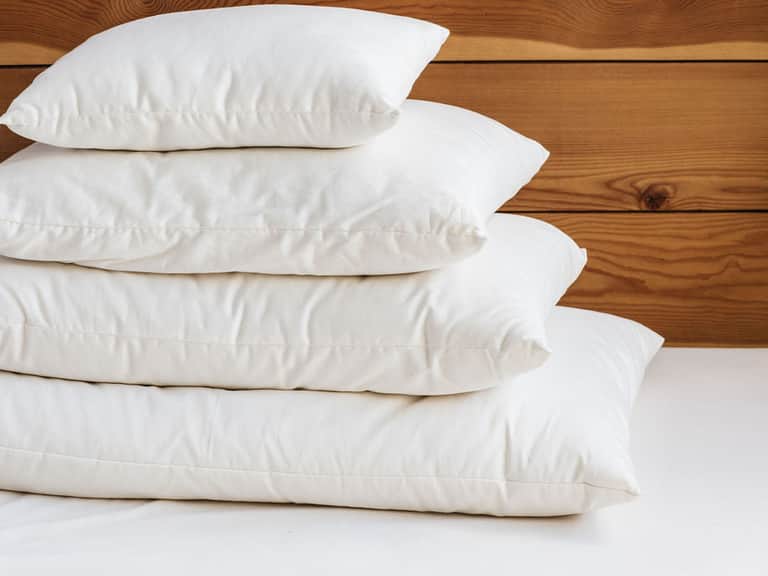
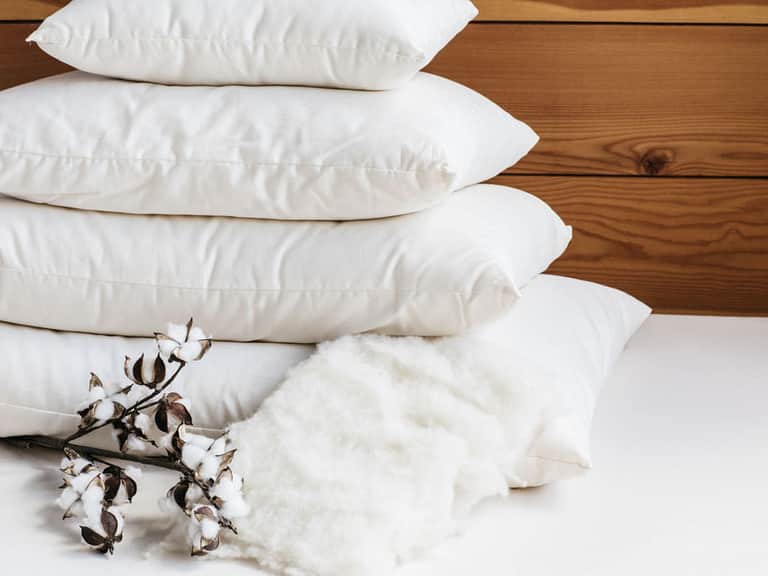
The Healthy Choice Organic Wool Pillow demonstrates how wool can combine comfort with natural materials. Features often include organic wool fillings, temperature regulation, and allergens-conscious design. Functional benefits center on pressure distribution, breathability, and resilience, making wool pillows a viable option for those seeking a non-synthetic bedding choice.
Beyond pillows, wool plays a role in various bedding components such as comfort layers, toppers, and underlays. Its natural odor resistance and durability support extended product lifespans, while fiber loft preserves shape. For sleepers with sensitivities, organic wool options reduce exposure to synthetic additives, aligning with health-conscious bedding practices.
In summary, wool-based bedding emphasizes natural composition, breathable performance, and lasting comfort. By examining product features like organic sourcing, hypoallergenic properties, and ergonomic support, consumers can assess suitability for different sleep needs. Keywords such as bedding, pillows, memory foam pillows, sheets, and down pillows relate to the broader category while highlighting wool's unique advantages.
 Bedding