Pillow covers are essential accessories in bedding setups, providing protection for inserts while enhancing aesthetics and comfort. This category highlights fabric choices, weave types, and stitching methods that influence feel, durability, and breathability. Understanding these features helps in selecting pillow covers that align with sleep preferences and room decor, including compatibility with memory foam pillows.
Common fabrics for pillow covers include cotton, linen, and blends, each offering distinct properties such as softness, moisture-wicking, and temperature regulation. Weave patterns like percale and sateen contribute to smooth textures and careful light reflection, while finishings such as stonewashed or enzyme-treated surfaces can affect hand feel and longevity under daily use.
Key design elements to consider are closure types, edge finishing, and stitch density, which impact ease of use, fabric longevity, and resilience against pilling. For handmade bedding, attention to seams and hems ensures a tidy appearance and reliable performance when pillow inserts are frequently handled or rotated, supporting a balanced sleep setup.
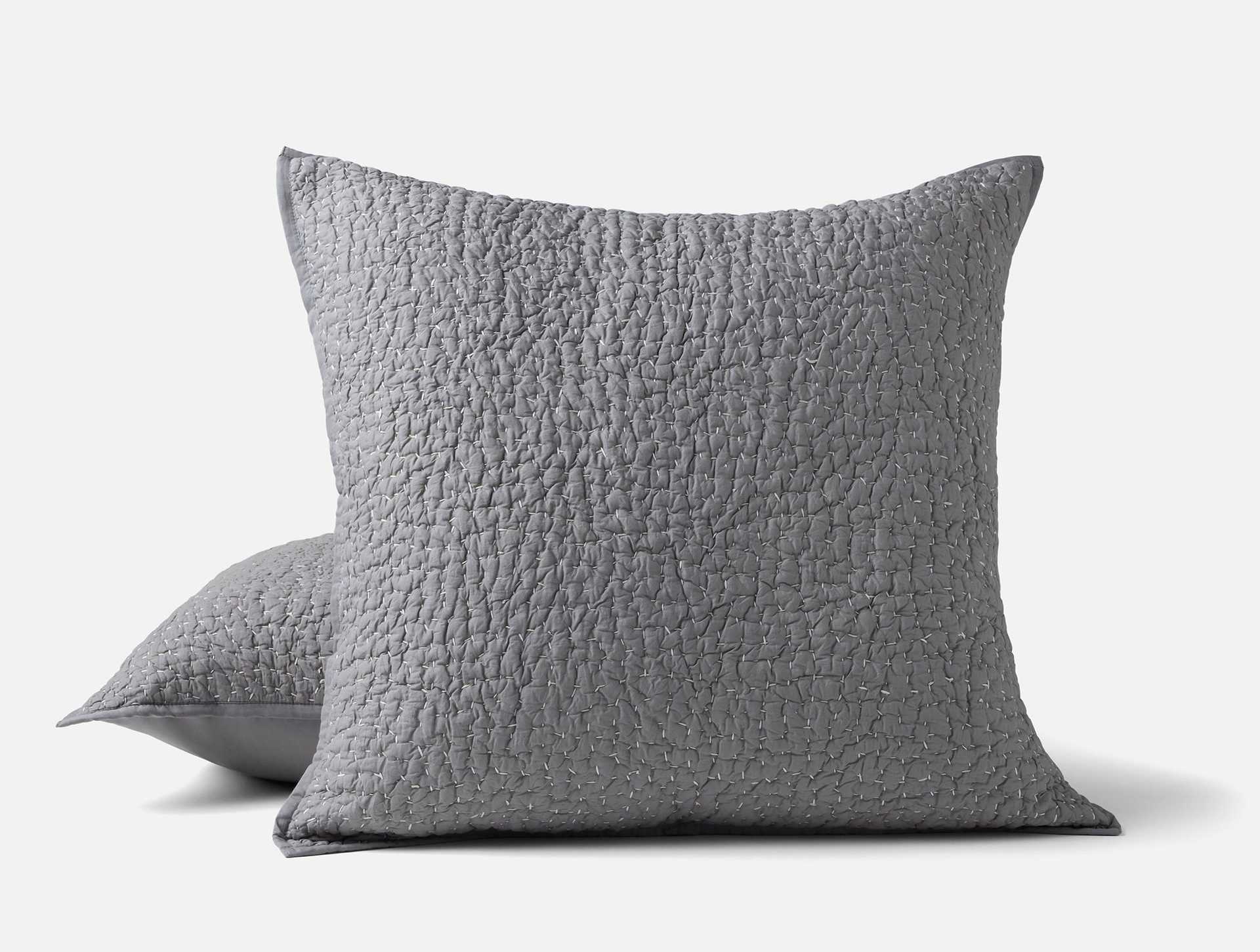
The Pebbled Handstitched Organic Sham exemplifies craftsmanship in this category, featuring natural organic materials and visible hand stitching that reinforces durability. Its pebble texture adds tactile interest, while organic cotton supports skin-friendly sleep environments and reduces exposure to synthetic finishes, aligning with sustainable bedding practices.
In practical terms, pillow covers serve to protect inserts, reduce wash frequency, and maintain hygiene by shielding pillows from oils and moisture. When selecting covers, consider insert size, fabric breathability, and care instructions to preserve color, texture, and overall comfort, especially in relationship to bedding ecosystems like sheets and duvet covers.
 Bedding